
America’s lifeline: Why the Colorado River Basin is critical
The Colorado River Basin is often referred to as the lifeline of the American Southwest, providing essential water to this arid region. Find out why it’s so critical.
The cultural and spiritual significance of the river
40 million people rely on the Colorado River Basin across seven US states: Arizona, California, Colorado, Nevada, New Mexico, Utah, and Wyoming, as well as two Mexican states. Cities such as Los Angeles, Phoenix, Las Vegas and San Diego heavily depend on the river for their water supply. For instance, approximately 90% of Las Vegas’s water comes from Lake Mead, fed by the Colorado River.
Indigenous communities have relied on the Colorado River for centuries, as it holds profound cultural, spiritual and economic significance for tribes such as the Navajo, Hopi, Havasupai, and Hualapai. These communities depend on the river for drinking water, agriculture and traditional practices. The river is the lifeblood of the Southern Ute Indian Reservation in southwestern Colorado, near the northern New Mexico state line, for example.
The communities often face water allocation challenges, exacerbating socio-economic difficulties, however. In fact, today, 15% of Southern Utes living on the reservation lack running water in their homes, a rate that is even higher for other tribes that rely on the Colorado River, including 40% of the Navajo Nation.
Agriculture and ecology on the river
The Basin is an agricultural powerhouse, supporting a region that produces approximately 15% of the nation’s crops and 13% of its livestock. The Imperial Valley in California, for example, relies almost entirely on the Colorado River for irrigation. This area alone produces a significant portion of the nation’s winter vegetables. Agriculture within the Basin uses about 80% of the river’s diverted water, highlighting the critical role the river plays in food production.
Beyond agriculture, the Colorado River Basin is a significant economic engine. The river supports a recreational industry valued at $26 billion annually. Activities such as boating, fishing and tourism along the river and its reservoirs draw millions of visitors each year. Lake Powell and Lake Mead, two of the largest reservoirs, are particularly popular destinations.
Moreover, the Colorado River is essential for hydroelectric power. The Hoover Dam, one of the most iconic structures on the river, generates approximately four billion kilowatt-hours of electricity annually, enough to serve 1.3 million people. Glen Canyon Dam, another major structure, produces significant power for the region as well.
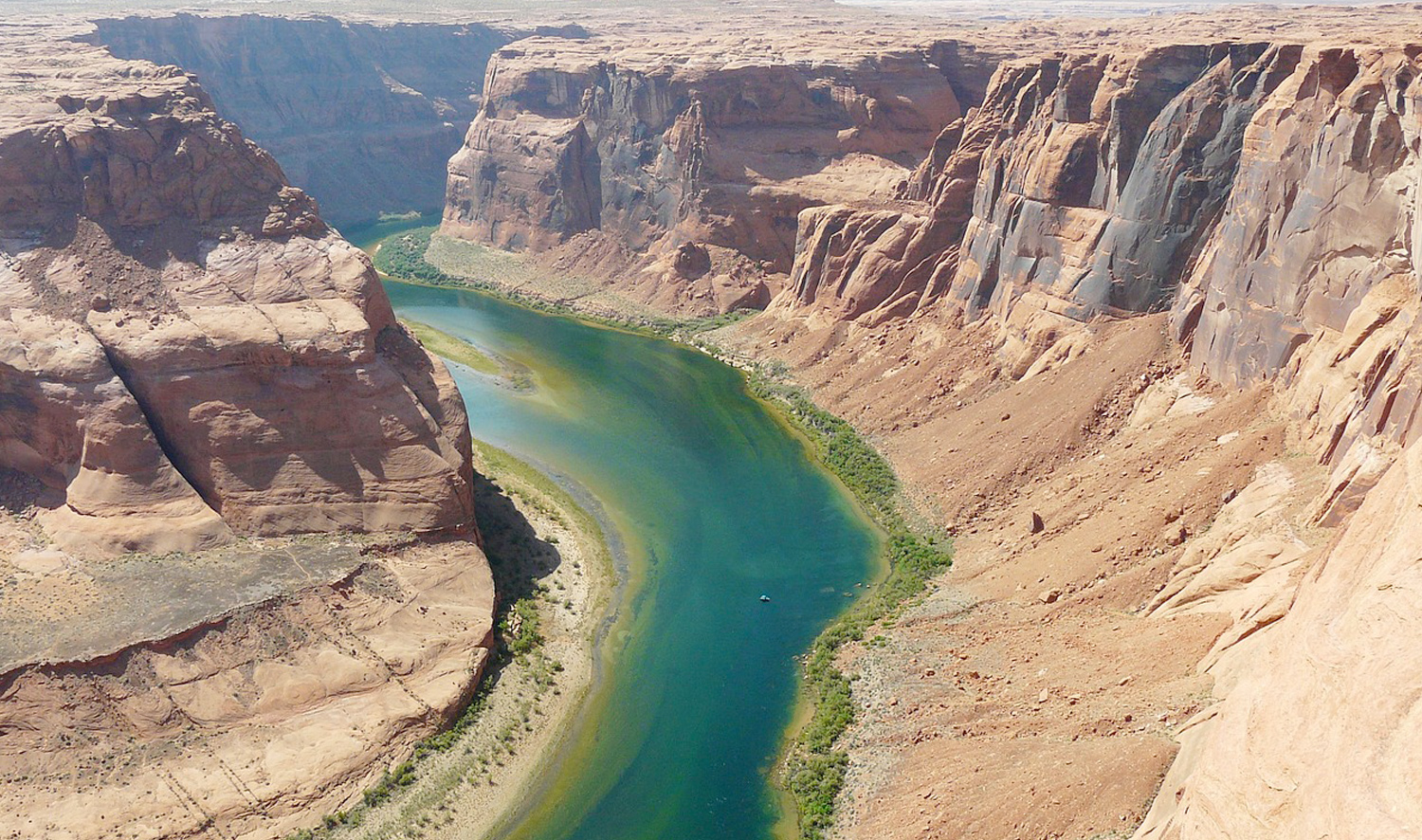
Ecologically, the Colorado River Basin is home to diverse ecosystems, including wetlands, riparian habitats and desert environments. These ecosystems support numerous species of plants, fish and wildlife, some of which are endemic to the region. The river’s health is thus directly linked to the well-being of these habitats and the biodiversity they sustain.
Challenges and future outlook
Despite its importance, the Colorado River Basin faces significant challenges. Over-allocation, prolonged drought and climate change are straining the river’s capacity. The river’s flow has decreased by nearly 20% over the past century, with projections indicating further declines. As water levels drop, conflicts over water rights intensify and the risk of significant shortages grows.
Efforts to address these issues are ongoing. The 2019 Drought Contingency Plan, for example, represents a collaborative effort among the Basin states to reduce water usage and improve conservation. However, long-term solutions will require more comprehensive strategies that address the root causes of water scarcity and promote sustainable water management practices.
The Colorado River Basin is indispensable to the American Southwest and the millions of people and myriad industries that rely on this river highlight its critical importance. The future of the Colorado River Basin will hinge on balancing human needs with environmental preservation, ensuring this lifeline continues to flow for generations to come.